Introduction
In Costa Rica, synthetic turf fields have become the number one choice for recreational soccer, amateur leagues, and intensive training. But there's a detail that many overlook: the surface changes the type of traction and the behavior of footwear, and this directly impacts performance and joint health.
At InstaGreen, we install and advise on synthetic turf projects for sports use, and we frequently see this pattern: when players wear the right footwear, stability improves, post-game discomfort is reduced, and the field feels more forgiving during changes of direction and braking.
1) Types of Synthetic Turf Fields: The Minimum You Should Know
Although in everyday conversation everything is referred to as "synthetic turf," at a technical level there are differences that influence footwear:
2G: shorter fibers, usually with sand. They tend to feel firmer and faster.
3G: taller fibers with sand and rubber infill. Greater cushioning and better grip.
4G: Denser systems with reduced or alternative padding technologies, depending on the manufacturer.
You don't need to memorize exact specifications to choose well, but you do need to identify whether your court has a short, firm pile or a longer pile with elastic padding.
2) The Four Most Common Cleat Types
A) Indoor (IN)
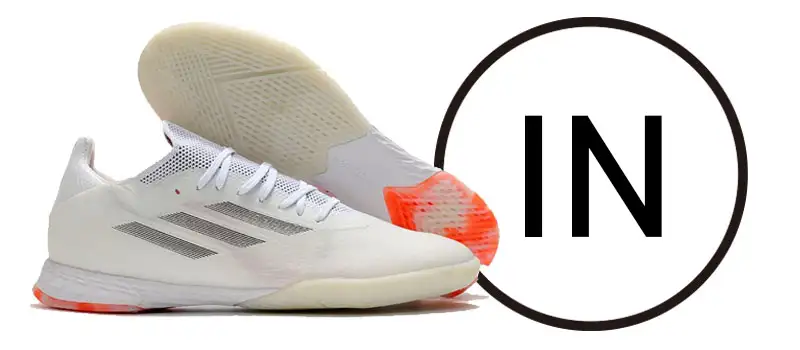
Designed for smooth surfaces. On synthetic surfaces, they only perform acceptably on very short, dry surfaces.
InstaGreen Recommendation:
Use them only if you play on a very worn, very hard, or extremely short-pile court with no moisture.
B) Turf (TF)
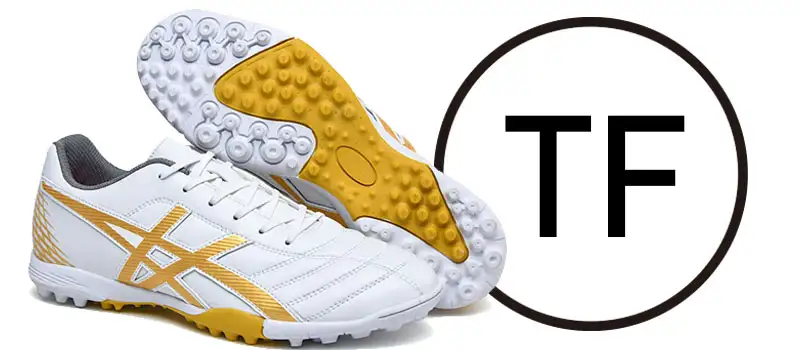
Small rubber multi-stud cleats.
An excellent option for frequent play on short or firm surfaces.
Ideal for:
2G
Recreational 5-a-side and 7-a-side football
Players who prioritize joint comfort
C) Firm Ground (FG)
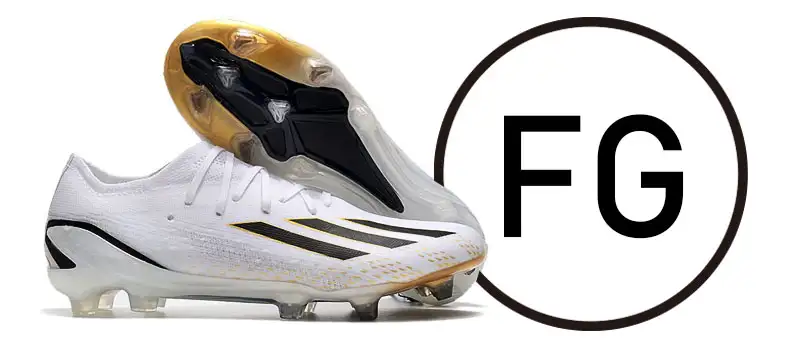
Cleats designed for firm natural grass.
Here's the most common mistake.
On artificial turf, they can generate more aggressive traction than necessary, depending on the system and the condition of the pitch.
InstaGreen Recommendation:
If you play a lot on artificial turf, these shouldn't be your primary choice.
D) Artificial Grass (AG)
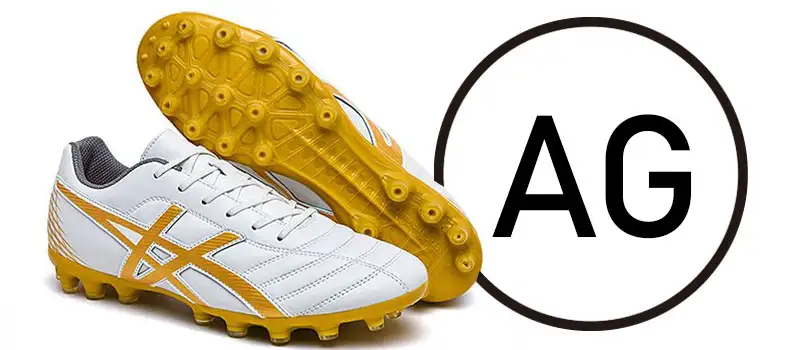
Designed specifically for artificial turf.
With shorter and more numerous studs (generally conical), which better distribute the load and balance traction and controlled rotation.
Ideal for:
3G
4G
Players who train 1-3 times per week on synthetic surfaces
3) Quick recommendation by court type
2G court (short pile, firmer): TF is usually the most comfortable and stable option for most players.
3G court (longer pile with cushioning): AG typically offers better security and performance during turns and accelerations.
4G court: AG is usually the most balanced option in terms of traction and pressure distribution.
4) Local factors that matter in Costa Rica
Rain and humidity
We play on wet courts for much of the year.
In these conditions, choosing the wrong sole can increase slippage or overload when braking.
Simple rule:
If you frequently play in the rain, prioritize TF or AG.
Actual court conditions
Not all courts behave the same, even if they are labeled “3G” or “2G”.
Maintenance, the level of infill compaction, and pile wear affect traction.
Helpful tip:
If the field is very compacted and hard, a TF (Three-Pot) cleat might feel better than a more aggressive cleat.
5) Common mistakes we see in sports projects
Using FG (Full-Pot) cleats out of habit.
Buying cleats based on aesthetics without checking the sole.
Not adapting the footwear to the actual condition of the field (new vs. worn).
Ignoring recurring knee or ankle pain.
6) Checklist before buying
Do I play more on short-pile or long-pile infilled fields?
Do I play during the rainy season and on wet surfaces?
Do I train 1+ times per week?
Have I had knee or ankle pain?
If you answer “yes” to frequent training and your field is 3G/4G, the answer is almost always AG (Average-Grass).
FAQ
Can I use FG cleats on artificial turf? It might work in specific cases, but it's not ideal for frequent use. The traction can be more aggressive than necessary depending on the pitch.
What's best for 5-a-side football on artificial turf?
On many short-pile or firmer pitches, TF is a very solid option. If the pitch is 3G, which is softer, AG usually performs better.
Are indoor cleats suitable for artificial turf? Only on very short, hard, and dry surfaces. They are not recommended on wet pitches.
In conclusion
Choosing the right footwear is part of both performance and durability. At InstaGreen, we promote a holistic view of the sports ecosystem: good pitch + proper installation + maintenance + appropriate use.
If you'd like, we can help you assess your pitch and recommend the most suitable type of sole based on the installed system, pile height, and intended use of the project.