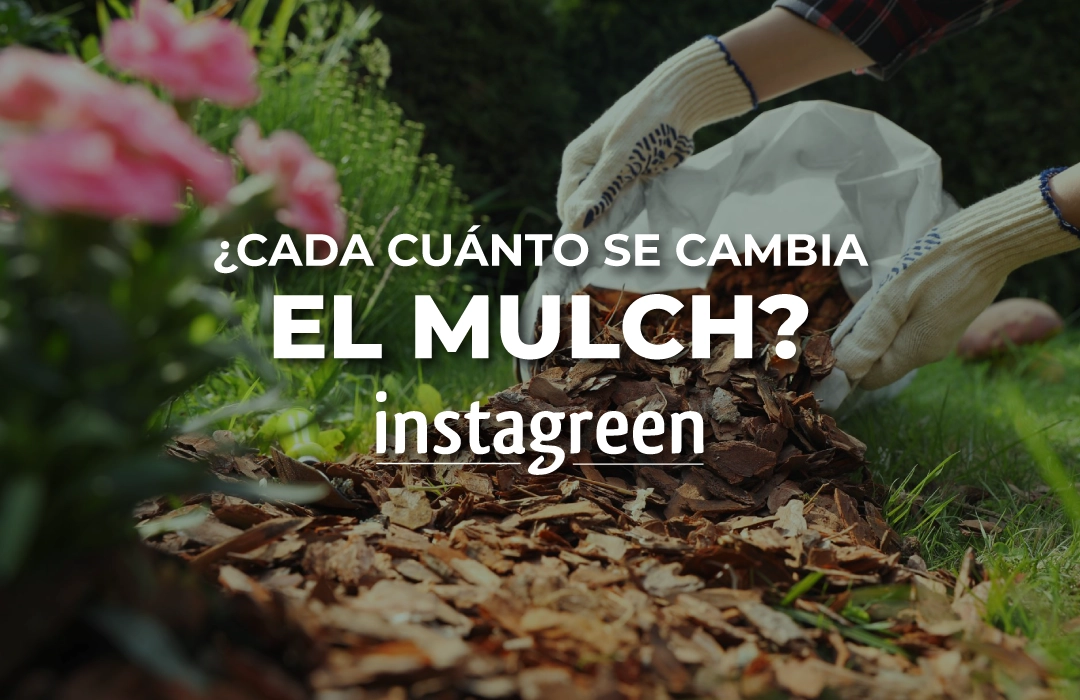
Organic decorative mulch (bark, wood chips, etc.) does degrade over time, but it doesn't "disappear" as quickly as some people think. The rate of decomposition depends on the climate, the type of material, and sun/rain exposure.
✔️ Actual Average in Costa Rica
Under normal conditions in the country (strong sun, regular rain):
• Coarse mulch (bark/large chips): lasts 12–24 months.
• Recommended replacement: every 1.5 to 2 years
• Only 20–40% is replaced, not the entire volume.
• Fine mulch (small chips/fine shreds): lasts 8–12 months.
• Recommended replacement: once a year for touch-ups.
• Dyed mulch (black, red, brown):
• The color usually fades after 6–12 months due to UV radiation.
• The physical material can last as long as the thick layer, but aesthetic renewal may be required annually if the client wants to keep it looking brand new.
✔️ Important to clarify for the client:
“The mulch doesn't need to be completely replaced each time; what's usually done is a topping (a thin layer of 2–3 cm) to restore volume and color. This significantly reduces the annual cost.”
This lowers the annual cost by 60% to 75% compared to reinstalling the entire mulch.
🔍 Factors that accelerate degradation:
• Constant rain + shade (very humid areas).
• Very fine mulch.
• Excessive direct contact with the soil instead of a geotextile underlay.
• Poor drainage.
If the client has dogs, a lot of falling leaves, or daily watering, it will also degrade faster.
💡 Recommendation for your projects:
To maintain low costs and high aesthetics:
• Use large chip mulch or a coarse bark mix.
• Place geotextile underneath (reduces moisture degradation and prevents direct contact with the soil).
Renew with a 2 cm topping every 12–18 months.
Only replace completely every 3 to 4 years if necessary.
🧮 How to explain it simply
“The mulch is renewed once a year with a thin layer for aesthetic purposes. Complete replacement is only necessary every 3 or 4 years. The actual annual cost is low because not all of it is replaced, only touched up.”